
1. Start preparing as soon as you decide you want to stay in Belgium
When you first hear about the search year permit, it can feel like you’ve got all the time in the world to figure out your next steps after you graduate. But in reality, the process moves more slowly than most students expect. It often takes several months to find the right job, and once you do, your employer still needs time to apply for your single permit, which can take 4–6 months to process. That means your search year can pass much faster than you think. So, it’s worth getting started as early as possible, even while you’re still studying, to give yourself the best chance of staying in Belgium without stress.
2. Start learning Dutch – it will give you better chances for most jobs
Even if English is widely used in Leuven and other economic hotspots in Flanders, knowing Dutch opens doors — socially and professionally. Employers appreciate the effort, even if you haven't reached a fully professional level yet. It shows motivation, makes daily life easier and can give your application an edge. The earlier you start the better, so don’t leave it until after you graduate to get started if you can. Discover opportunities to practice Dutch here.
3. Build your network and get to know the local landscape
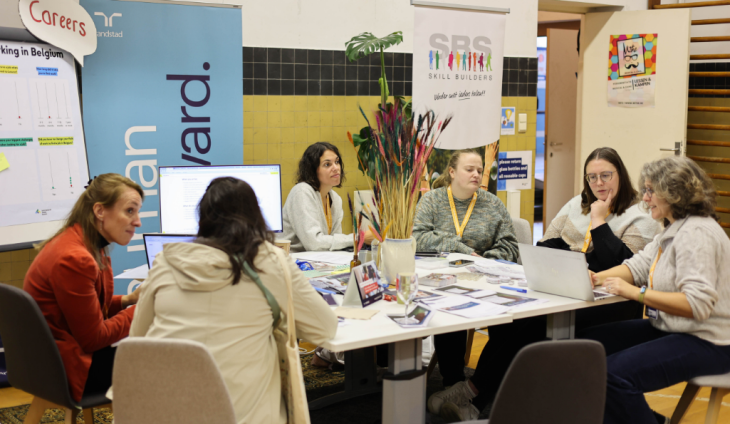
Belgium is a small country with a highly interconnected professional, academic and innovation community. Attend faculty events, join student associations, visit job fairs, and say yes to opportunities where you can meet researchers, professionals, or local companies. Many jobs and internships here come through networks rather than cold applications. And don’t forget that a job could come from a friend or someone you know socially too.
4. Get local work experience — even small experiences count
A recent UGent@Work study found that voluntary internships outside the curriculum are especially powerful for your CV, giving graduates a clear advantage when applying for jobs. Recruiters rated candidates with such internships as more skilled, motivated, and work-ready than those without.
This is great news for international students: any meaningful local experience helps: student jobs, volunteering, short internships, research assistant roles. Even small commitments signal initiative.
5. Be proactive with your CV (even if you don’t have much experience yet)
Early in your career, it’s not about long lists of experience - it’s about showing potential. Check out IHL’s 10 tips for writing your Belgian CV or KU Leuven’s CV tips and tricks for graduating students.
While you might think you don’t have much to put on there early in your career – be proactive and creative. At this stage, what matters most is showing willingness, effort, and curiosity. Take this example from one of our team members: “During my studies I was in charge of the weekly food order for my housemates, and I used it as an example of planning, budgeting, and coordination experience to land my first job”.
With a little creative thinking, everyday tasks can become strong talking points!
Final thoughts
Staying in Belgium after graduation isn’t about being perfect, it’s about showing initiative. Learn Dutch, meet people, gather local experience, and shape your CV around what you do have. With each step, you make Belgium feel more like home, and you make it easier for Belgian employers to picture you on their team.